
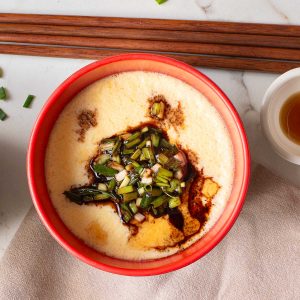
This Chinese Steamed Egg recipe is the opposite of trying too hard. It’s pale, smooth, and quiet in the bowl, but that’s exactly what makes it work. The texture is silky and light, like it was made to be eaten slowly with a spoon. When everything else feels like too much, this is what I reach for.

This post may contain affiliate links. As an Amazon Associate, I earn from qualifying purchases. See my Affiliate Disclosure.
I don’t know who first figured out that whisking eggs with water and steaming them low and slow could result in something so smooth and utterly comforting, but I owe them big time. These Chinese Steamed Eggs have all the richness of a good custard without any dairy, sugar, or heavy lifting. You don’t need a blender or a water bath or anything that plugs in. Just a bowl, a whisk, and a pot with a lid.
Similar in concept to Japanese Chawanmushi, steamed Chinese egg is commonly served next to rice, stir-fried vegetables, or a small plate of meat as a simple but nourishing meal. All I need is a drizzle of soy sauce and sesame oil, some chopped scallions, and a spoon. It’s just as suited to dinner as it is to breakfast, or any time in between.
This dish is all about texture and patience. The hardest part is keeping the heat low and steady. If the water bubbles too hard, the custard ends up pockmarked and overcooked. But when you get it right, it’s ridiculously smooth—like silken tofu, but richer and more delicate. It’s a quiet kind of delicious. And I mean that in the best way.

Ingredients You Need
Most of the ingredients you need to make this steamed egg Chinese style are probably already in your kitchen. Here’s what you need:
- Eggs: The star of the show. Fresh, large eggs are ideal.
- Warm water: Helps the eggs steam into a soft custard. Warm, not hot—you don’t want to cook the eggs while mixing.
- Salt: Just enough to season the eggs before steaming.
- Light soy sauce: Adds savory depth after cooking. Don’t use dark soy—it’s too strong and will mask the delicate texture.
- Sesame oil: Just a few drops of sesame oil go a long way. It adds aroma and a hint of richness.
- Green onion: Sliced thin and sprinkled on top, it brings freshness, color, and a little textural interest.
- Chili crisp: This is totally optional, but I like to add a dollop of chili crisp sometimes for flavor and texture.
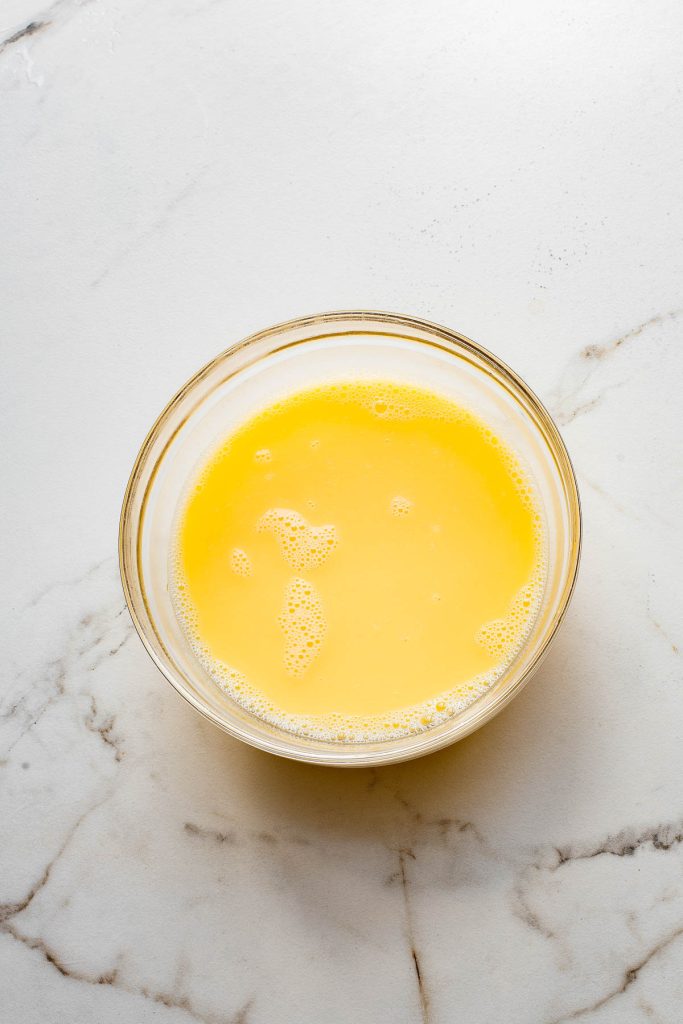
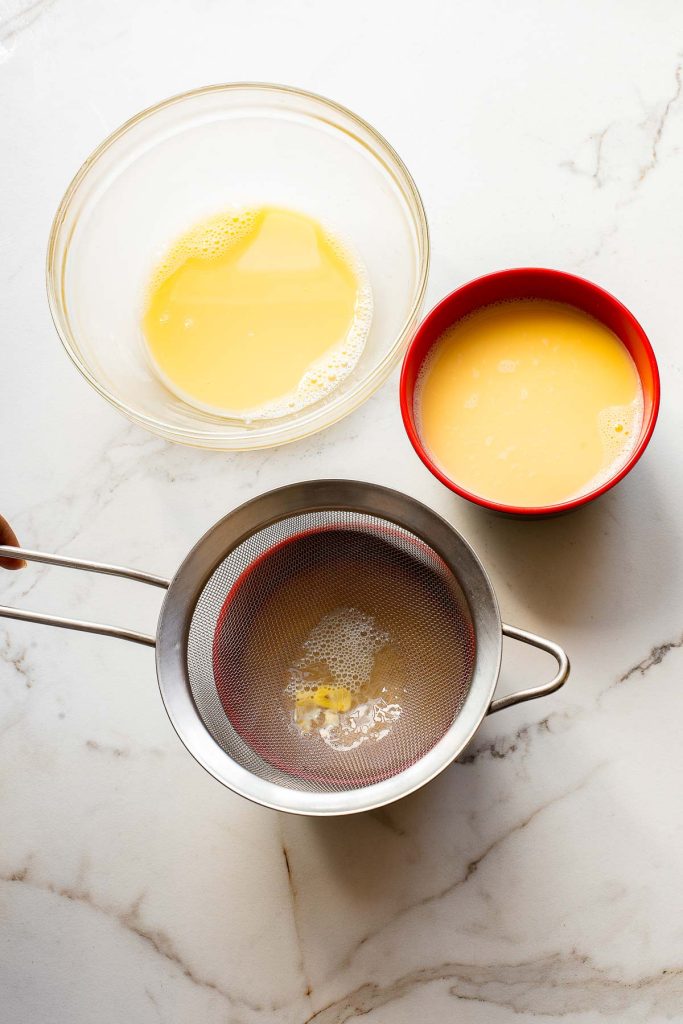
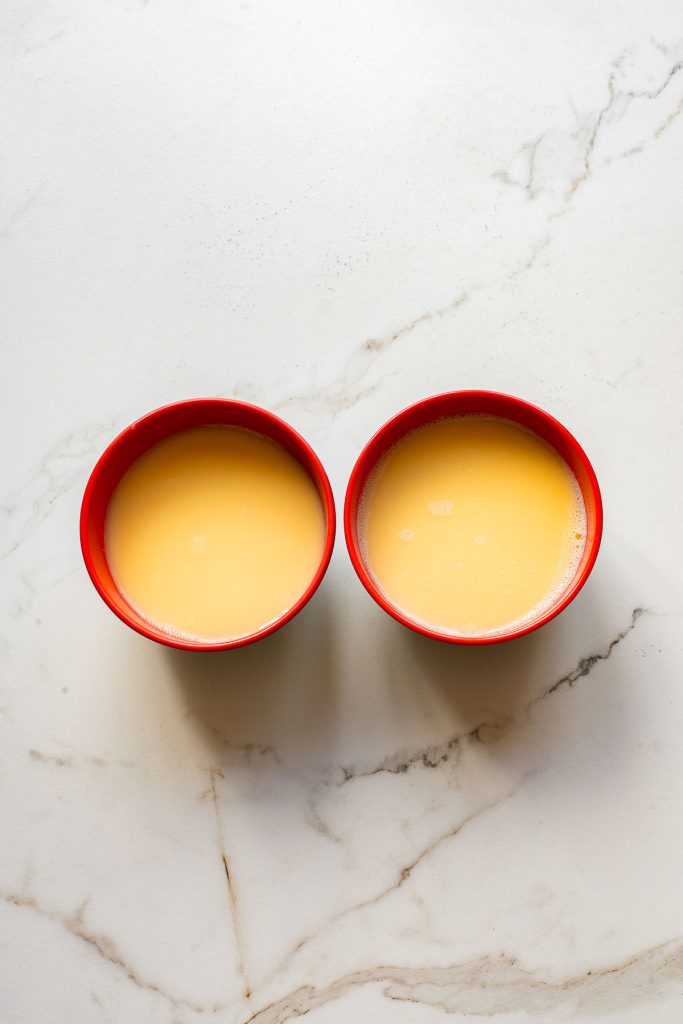
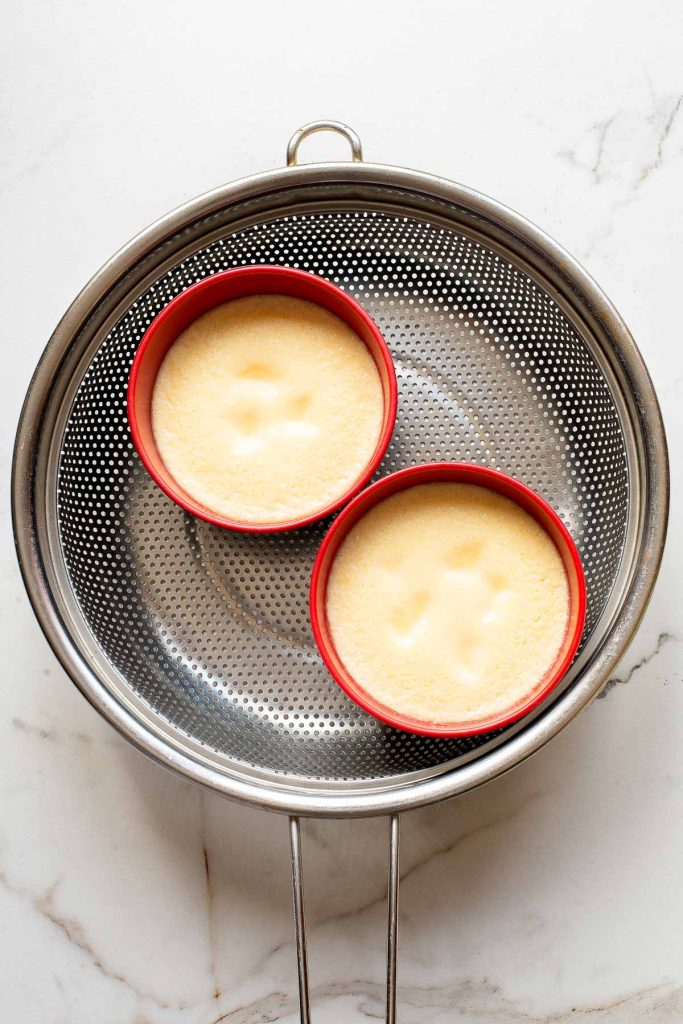


How to Make Chinese Steamed Egg
This dish is incredibly simple once you understand the method. Here’s how to make it:
Want to save this recipe?
- Crack the eggs into a mixing bowl and add the salt. Gently whisk until the yolks and whites are fully combined. Don’t whip—just whisk gently to avoid bubbles.
- Gradually pour in warm water while stirring gently. The mixture should be smooth and pale yellow.
- Strain the egg mixture through a fine-mesh sieve into a shallow, heatproof bowl. This removes any chalazae or bits of shell and keeps the custard silky.
- Cover the bowl with foil or a small plate. This prevents condensation from dripping on the surface while it steams.
- Place the bowl in a steamer basket over a pan with 2 or 3 inches of just simmering water. Once the water is steaming, reduce the heat to medium-low. Keep the water at a gentle simmer—not a boil—and steam until just set.
- Remove the bowl from the steamer. Drizzle soy sauce and sesame oil over the top. Garnish with green onions and serve warm.
Expert Tips for Success
This dish comes down to timing and temperature. To get that smooth, custard-like finish, keep these tips in mind:
- Use a fine-mesh strainer to eliminate bubbles and bits. This step may seem fussy, ubt it takes just seconds and makes a huge difference in the final texture.
- Keep the heat low. Rapid boiling will create air pockets or a rubbery texture.
- Cover the bowl while steaming. Otherwise, water droplets can leave marks or pits on the surface.
- If your custard jiggles like soft tofu and looks glossy, it’s done.
- Don’t walk away while it’s steaming. A few extra minutes can overcook it.

More Ways to Enjoy Steamed Eggs
This Steamed Chinese eggs recipe is just one of the many ways I love to let eggs do their thing. If you like that silky, spoonable texture, you’ll probably also love Korean Gyeran Jjim, which is puffier and served piping hot in a stone bowl. Or try Chawanmushi, the Japanese version that uses dashi and adds mushrooms, shrimp, or chicken for something a little more dressed up.
For something different but still egg-focused, check out Ramen Eggs—still delicate and savory with a similar comfort food appeal. If you’re looking for a sweet version of a delicate egg custard, try Banh Flan, which is a Vietnamese style flan or crème caramel.
Chinese Steamed Egg
Robin Donovan
Ingredients
- 3 pieces large eggs
- 1 cup water warm, (250 ml)
- ½ teaspoon salt
- ½ teaspoon light soy sauce (for seasoning)
- ½ teaspoon sesame oil (for drizzling)
- 1 piece green onion finely chopped (for garnish)
Instructions
- Mix the eggs: Crack the eggs into a medium bowl. Add salt and gently whisk until the yolks and whites are just blended. Try not to introduce air bubbles.
- Add the water: Slowly stir in the warm water. Mix gently until combined and smooth.
- Strain the mixture: Pour the egg mixture through a fine-mesh strainer into a shallow, heatproof bowl. This step ensures a silky texture.
- Cover and steam: Cover the bowl with foil or a plate to prevent water from dripping onto the eggs. Place in a steamer basket in a skillet or saucepan filled with about 2 to 3 inches of just barely simmering water. Steam gently until just set.
- Season and garnish: Remove the bowl from the steamer. Drizzle with soy sauce and sesame oil. Sprinkle with chopped green onions. Serve warm.
Notes
- To prevent holes in the custard, don’t let the water boil too hard while steaming. Keep it at a gentle simmer.
- You can store leftovers covered in the fridge for up to 2 days. Reheat by steaming or microwaving with a splash of water.
- Don’t freeze this dish—the texture won’t survive.